


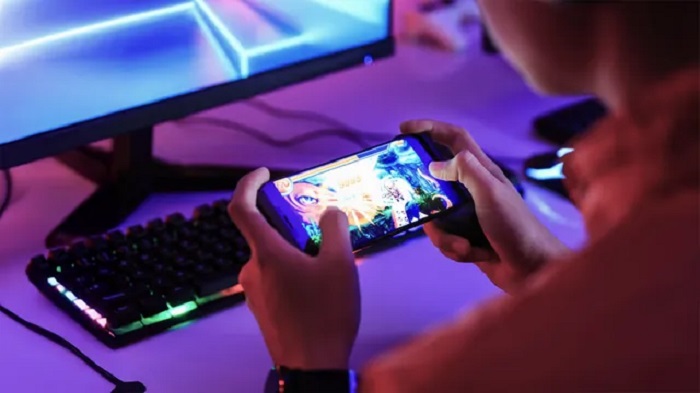
In the modern digital landscape, the way we spend our leisure time has undergone a massive transformation. Gone are the days when entertainment was a passive experience—sitting in front of a television waiting for a scheduled program to begin. Today, we are active participants in our fun. Whether it’s through complex strategy games, high-speed simulations, or digital versions of ancient classics, the human brain craves the stimulation that comes from interactive challenges.
This shift toward interactive media isn’t just about passing the time; it’s about the unique psychological satisfaction derived from making choices. Every click, every move, and every decision carries weight.
The Evolution of Skill and Luck
One of the most fascinating aspects of modern gaming is the delicate balance between skill-based mastery and the thrill of chance. We see this play out in various formats. For some, the draw lies in the mechanical precision of an action game. For others, it’s the calculated risk found in a digital slot that provides a quick burst of excitement and a break from the mundane.
The psychological appeal here is rooted in the “flow state”—that mental zone where you are fully immersed in an activity. When an activity provides immediate feedback, our brains release dopamine, reinforcing the enjoyment and keeping us engaged. This is why even simple puzzle games can feel so rewarding; they provide a clear sense of progression and accomplishment that we might not always find in our daily 9-to-5 routines.
Heritage Meets Technology
Interestingly, while we look toward the future of gaming with virtual reality and AI-driven narratives, we remain deeply tethered to the past. Traditional tabletop games have found a second life online, proving that great design is timeless.
Take, for example, the intricate tile-matching systems of the East. The strategic depth required to master a game of mahjong has translated beautifully to the digital screen. What was once a social cornerstone in physical tea houses is now a global phenomenon played on smartphones and tablets. This transition highlights a key trend: we aren’t necessarily looking for new ways to think; we are looking for accessible ways to engage with proven methods of mental stimulation.
The Cognitive Benefits of Interactive Play
Beyond mere entertainment, engaging with digital puzzles and strategy games offers genuine cognitive benefits. Research has often suggested that regular mental “workouts” can help maintain neuroplasticity.
- Pattern Recognition: Most games require the player to identify sequences and predict outcomes based on limited data.
- Stress Reduction: Engaging in a focused, repetitive task can act as a form of “active meditation,” allowing the mind to quiet the noise of external stressors.
- Resource Management: Whether you are managing an empire in a grand strategy game or managing your “lives” in a puzzle, you are practicing the art of prioritization.
Creating a Balanced Digital Lifestyle
As we integrate these digital experiences into our lives, the key is intentionality. The best kind of gaming is the kind that adds value to your day—whether that value is a sharpened mind, a moment of relaxation, or a social connection with friends across the globe.
The beauty of the current era is variety. On any given afternoon, you can pivot from a high-stakes tactical shooter to a relaxing session of tile-matching or a quick round of a chance-based game. This variety ensures that the brain never stays stagnant. We are no longer limited by what is on the shelf at a local store; the entire history of human play is available at our fingertips.
The Future of Connection
Looking ahead, the social element of these games will likely continue to grow. Even games traditionally played solo are becoming communal through streaming platforms and competitive leaderboards. We are finding community in shared strategies and collective triumphs.
In conclusion, the digital world has not replaced our need for play; it has simply expanded the playground. By embracing both the high-energy thrills of modern mechanics and the thoughtful strategy of ancient traditions, we tap into a fundamental human need for growth, challenge, and discovery. As long as we continue to seek out these experiences, the world of interactive entertainment will remain a vibrant, essential part of the human experience.